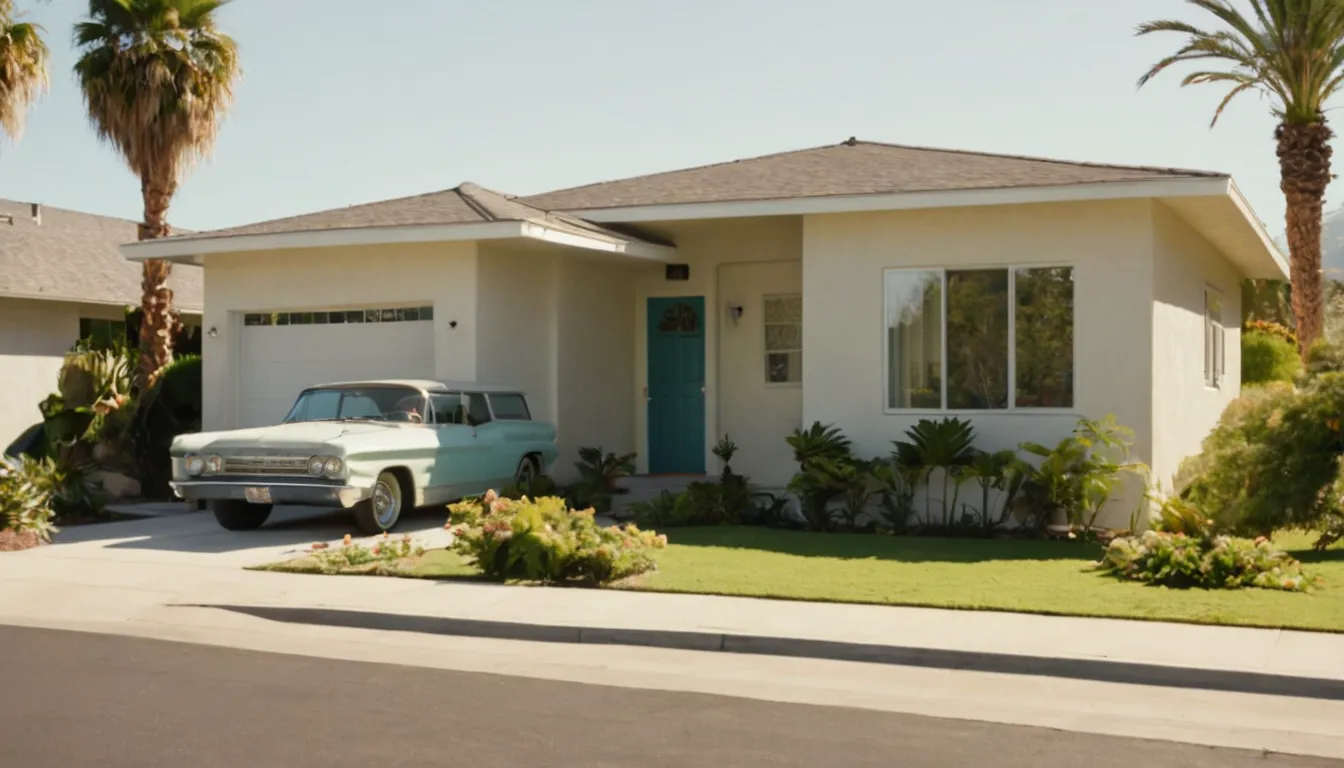
Need walk-in tubs in Riverside?
Tell us about your bathroom. Request a callback to check provider availability, or send a request and a local provider will reach out about your project.
No obligation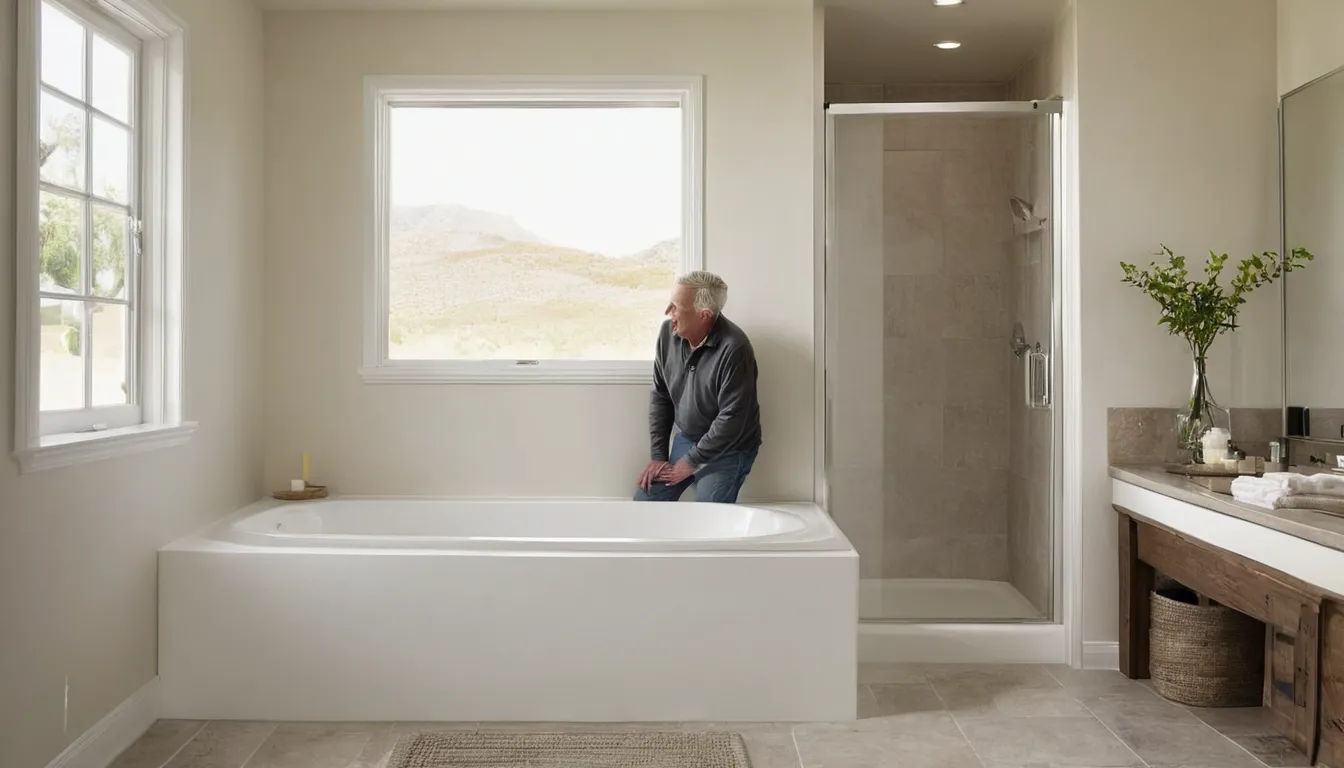
A walk-in tub is a bathtub with a watertight door in its side. You open the door, step in, sit down, and close it. Then the tub fills. This means no more lifting your leg over a tall edge. For many people, that edge is where falls happen.
Clinicsatellite Walk-In Tubs is a referral service. We do not install tubs. We link you with independent providers in our network who serve Riverside and the Riverside area. This page explains the parts, the steps and the price ranges in short, clear words. A tub that is fitted well protects your floors, your walls and your home's value for years.
Wet tile is slick. A tub wall is high. If getting in and out makes you tense, take that seriously. A fall in the bathroom can hurt a lot.
A walk-in tub lowers that risk. The door sits close to the floor. You sit down before the water comes in, and you stand up after it drains. That order feels calmer.
Request a callback to check provider availability in your area.
Senior walk-in tubs are the most common search, but they help more than older adults. They also help people who:
A walk-in tub is not right for everyone. Some people cannot sit up well without support. Others use a wheelchair and may do better with a roll-in shower. A provider can talk this through with you. So can your doctor or a therapist.
Most models share a few core parts. Here is what they do, in plain terms.
The door is the part that makes a walk-in tub different. Look at it closely before you buy.
A soaker is a plain tub. It holds water and nothing else. It costs less and has fewer parts to fix.
A jetted tub has water jets. They push warm water against your back and legs. Some people like this for sore muscles. Jets add pipes and a pump, so they add cost and upkeep.
A combination tub has water jets and air bubbles. It is the most feature-rich option. It also has the highest price range.
Pick based on how you will really use it. If you only want a safe, warm soak, a soaker may be enough.
A provider usually starts with a home visit. They measure the bathroom and check the floor, the walls and the drain. Then they remove your old tub, which is often called a tub replacement job.
Next they set the new tub, connect the pipes and test for leaks. They may need to move the drain or the plumbing. Many tract homes from the 1950s to the 1980s have tight bathrooms, so size is a real question. A standard walk-in tub can be longer than the tub it replaces.
The job often takes one to a few days. Time varies by home and by provider.
This is where a job is done right or done wrong. Homes on a slab or a raised foundation each have their own needs. A full tub of water is heavy. The floor must carry that weight.
A good provider checks for soft spots and old water damage before they set the tub. They seal edges so water stays out of the walls. That keeps mold and rot away. It also helps your home hold its value when you sell. Done right, holds value.
This step surprises many people. A walk-in tub is deep, and you sit in it while it fills. The water cools while you wait for it to drain.
A small water heater may run out of hot water before the tub is full. Ask the provider how many gallons the tub holds. Then compare that to your heater size. Some homes need a bigger heater, or a model with a quick-fill setup.
Write your questions down before the visit. Good ones include:
A clear provider answers these without fuss. Quote in writing, always. If a number is vague, ask again.
You must stay seated while the tub fills and drains. That takes a few minutes. Some people keep a warm robe or towel within reach.
Cleaning is simple. Wipe the tub after use and rinse the door seal now and then. If you have jets, run a cleaning cycle on a schedule. Dry-season dust and wildfire smoke can leave film on surfaces, so a quick wipe helps.
If the tub is for a parent or a spouse, bring them into the choice. Let them sit in a display model if they can. Check seat height, door width and how the handles feel.
A tub that looks great but feels wrong will go unused. The goal is safe bathing a person actually enjoys.
Request a callback to talk about your options with a local provider.
Sometimes a walk-in tub is not the right fit. A handicap accessible shower may suit better, especially for wheelchair users. Tub-to-shower conversions have their own page here. Ask a provider to compare both for your bathroom.
The provider tests the door seal and checks that the tub holds water without drips or weak spots.
A built-in seat at a comfortable height lets you sit before the tub fills.
Sturdy handles give you something solid to hold when you step in, sit, and stand.
The provider connects the drain and water lines, then tests the tub for leaks before leaving.
Price depends on the tub, the plumbing and the state of your bathroom. These are broad U.S. ranges only. Your cost may fall outside them, so always get a written quote before work starts.
| Item | Typical range | Notes |
|---|---|---|
| Soaker walk-in tub | $3,500 – $8,000 | Plain tub, fewer parts, installed price varies |
| Jetted or combination tub | $6,000 – $15,000 | Jets and air add cost and upkeep |
| Removing the old tub | $300 – $1,200 | Depends on tub type and wall access |
| Plumbing changes | $500 – $3,000 | Drain moves cost more than simple hookups |
| Electrical work | $200 – $1,000 | Needed for some jets and heaters |
| Floor or wall repair | $500 – $4,000 | Higher if old water damage is found |
Request a callback or request an estimate. Share your bathroom size, your needs, and any problems you have noticed.
The provider checks space, floor, walls and plumbing, then gives you a quote in writing.
Choose soaker, jetted or combination. Check seat height, door and handles.
The provider removes the old tub, sets the new one, seals it, and tests for leaks.
A tub fitted well and sealed tight keeps water out of walls and floors, which helps resale.
A written quote lists each part of the job so there are no surprises.
Independent providers in our network know the common homes in your area.
We explain each step in simple words so you can choose with confidence.
Tell us about your bathroom. Request a callback to check provider availability, or send a request and a local provider will reach out about your project.
No obligationMost U.S. homeowners see broad ranges from about $3,500 to $15,000 or more, depending on the model, the plumbing and any repairs. Get a quote in writing before you agree to the work.
Coverage is limited. Medicare does not usually pay for walk-in tubs. Some programs or policies may help in certain cases, so check your plan and ask the provider what paperwork they can supply.
Many jobs take one to a few days. Plumbing changes, floor repair or a new water heater can add time. The provider should give you a clear schedule in the quote.
Tell us about your bathroom. Request a callback to check provider availability, or send a request and a local provider will reach out about your project.
No obligation